Travel & Hacks · 3-minute read
Your First Solo Trip: Less Stress, Better Memories
You do not need a dramatic escape. Start with a trip you can plan, afford and enjoy at your own pace.
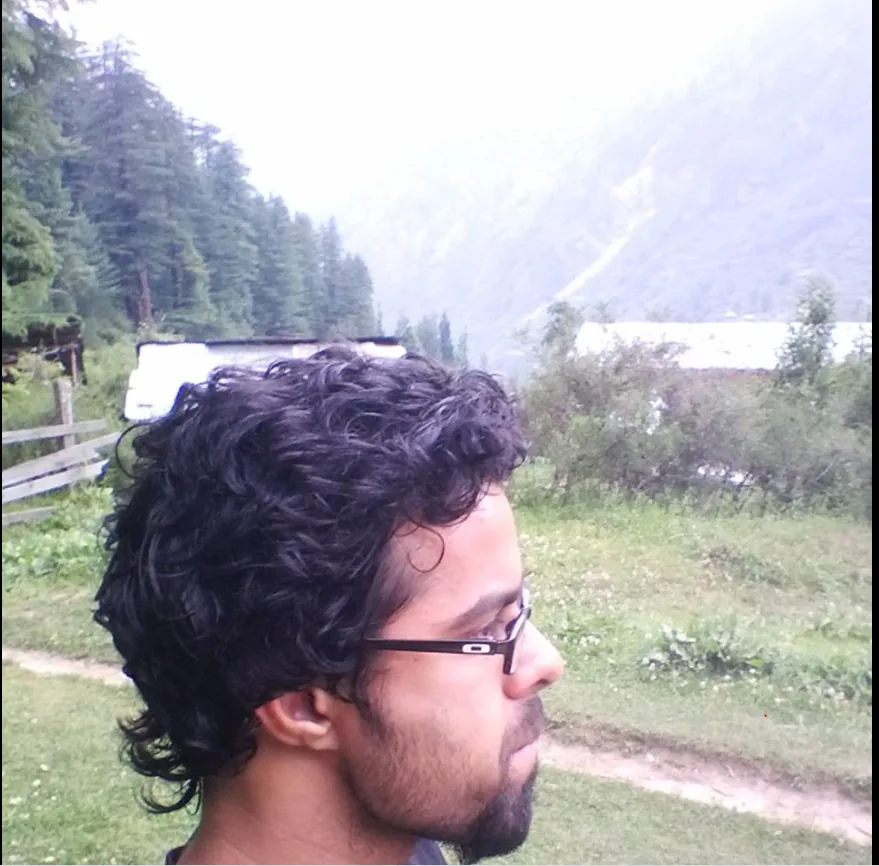
Everyone else is busy, the group chat cannot agree on dates, and your travel plan has spent three months waiting for someone to reply. A solo trip can be a way to stop waiting.
Your first one does not need to be far away, expensive or designed for impressive photographs. A manageable trip lets you practise choosing, planning and adjusting without needing a committee for every meal. Confidence can begin with a simple weekend.
Choose ease before novelty
Look for somewhere with straightforward transport, accommodation you can verify and activities that match your experience. Familiar language or a shorter journey can reduce the number of things you must figure out at once.
Check current weather, local conditions and official advisories before booking. A beautiful reel is not evidence that a route is suitable for you today. For travel abroad, confirm entry requirements through official sources rather than assuming a creator’s experience applies to your passport.
Begin with what you want from the trip: rest, a walk, museums, food or a change of scene. That answer helps you choose better than a list of trending destinations.
Make arrival boring in the best way
Know how you will get from the station or airport to your accommodation. Where practical, arrive during daylight and use a reliable transport option. Save the address and booking details offline.
Read recent accommodation reviews, including comments about location and check-in. Contact the property directly if anything important is unclear. A slightly less glamorous room in a practical location may make the trip easier.
Share your itinerary and accommodation details with someone you trust. Agree on a simple check-in plan without feeling obliged to narrate every minute.
Budget for the unphotogenic parts
Transport, meals, entry fees and local travel all count. Keep an emergency buffer separate from the money you expect to spend on activities. Do not plan a trip that works only if nothing changes.
Have a backup payment option and some accessible cash where appropriate. Protect account details and avoid sharing sensitive documents casually. For international trips, the Ministry of External Affairs advises suitable travel insurance and copies of important documents.
Read insurance terms rather than assuming every activity or disruption is covered. Practical preparation leaves you with fewer decisions when you are tired.
Pack for carrying, not imagining
Lay everything out before putting it into your bag. Remove the items meant for five hypothetical versions of yourself. Keep clothing suitable for the weather, essential medicines, charging equipment and what your actual activities require.
A bag you can manage comfortably is useful on stairs, public transport and an unexpected change of accommodation. Keep valuables secure and important essentials accessible without emptying the whole bag.
If you are travelling internationally with medicines, check the destination’s rules. Something permitted at home may require documentation elsewhere.
Leave space in the day
Choose one main activity and keep the rest flexible. You can sit with a view, change your lunch plan or return early without convincing anyone. That freedom is part of the experience.
Meeting other travellers can be enjoyable, but friendliness does not require abandoning your judgment. Keep control of your transport and accommodation decisions. Avoid posting your precise live location publicly; share details privately with trusted contacts instead.
Bring home something beyond pictures
Take photographs, including the imperfect ones. Then put the phone away for part of the day. Notice what you enjoy when nobody else is choosing the pace.
At the end, write down one thing that worked and one thing you would change next time. Independent travel does not require becoming fearless. It means preparing sensibly, paying attention and discovering that you can make the next small decision yourself.